
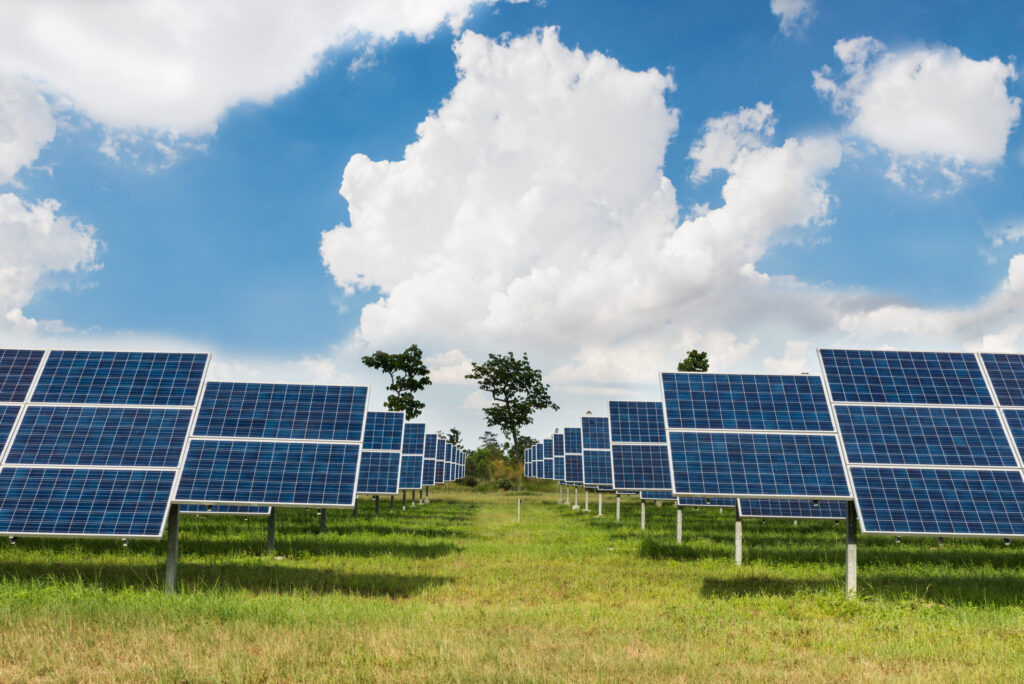
Headlines love it: “paddocks to power,” “solar farms,” “harvesting the sun.”
As an accountant who spends a lot of time with actual farmers, I think the label “solar farming” is rubbish – and unhelpful for good decision‑making.
What’s being built on those paddocks is not farming. It’s an energy infrastructure project sitting on rural land, with a completely different risk, tax, and cashflow profile. Calling it “farming” muddies the water right at the moment farmers need clarity.
Farming grows biology, not balance sheets
Real farming is about managing living systems – pasture, crops, animals, soil. It’s seasonal, weather‑driven, and unforgiving when things go wrong. Production risk sits squarely with the farmer.
A so‑called solar “farm” is steel, glass, electronics, and a connection agreement. Once the diggers leave, there are no calves to pull, no pasture walks, and no 3am checks in a storm. Most of the work happens up front: capital, contracts, and consents.
That doesn’t make it bad. It just means it is much closer to owning a small power station than running a dairy platform. If you treat it “like another crop”, you’re already looking at it the wrong way.
Different risks, different numbers
From a boring accountant’s perspective, here’s the big divide:
- Farming income is exposed to payout swings, weather, input costs, and biological performance.
- Solar income is typically tied to long‑term contracts, regulated pricing, and a grid connection you don’t control.
One is biological risk; the other is contract and regulatory risk. If you blur those together under a cosy “solar farming” label, it becomes too easy to:
- Underestimate the legal and commercial complexity of the agreements you’re signing.
- Misjudge how lumpy the setup costs are compared with the long payback period.
- Forget that you’re effectively turning part of your farm into a long‑term infrastructure site.
The numbers can absolutely stack up – but they are not farming numbers. They are infrastructure numbers.
Land use: not just “another enterprise”
We also need to be honest about land use. A paddock under panels is not the same as a paddock under pasture, even if you run a few sheep underneath to keep the grass down.
When we pretend every big fenced‑off site is a “farm”, we skip the real questions:
- Is this genuinely marginal land, or are we taking good soil out of production?
- What happens to flexibility for future generations who might want to change land use?
- How will lenders and valuers view this part of the property in 10–20 years?
Those are not romantic “sun harvesting” questions – they’re boring, practical ones. Exactly the type farmers should be asking before signing a 20–30‑year contract.
Identity matters, not just branding
In rural New Zealand, “farmer” is not just a marketing term. It’s an identity built on generations of looking after land and stock.
When we call everything on a paddock a “farm” – solar farm, wind farm, data farm – the word stops meaning much. It becomes a branding exercise for investors, not a recognition of what actually happens on the ground.
If the work is essentially: build an energy asset, finance it, insure it, and monitor output… then from an accountant’s chair, that’s closer to owning a commercial property with a power station on it than farming.
Call it what it is
So what should we call it? Something honest:
- Rural solar plant
- Solar energy park
- Community solar project (if it really is community‑owned)
None of those sound as cosy as “solar farm”, but they have one advantage: they force clearer thinking.
Once you accept you’re hosting an energy project, not planting a new “crop”, you naturally start asking better questions:
- Am I comfortable becoming a landlord to an energy company?
- How does this change my tax position, GST, and depreciation picture?
- What does this do to valuation, bank security, and succession plans?
Those are exactly the questions that should be asked – preferably before the excavators arrive.
Farmers can still win from solar
To be clear, this isn’t an argument against solar on farms. Used well, it can:
- Reduce on‑farm power costs for sheds, pumps, and irrigation.
- Generate a steadier income stream off paddocks that don’t perform well in the current system.
- Add a different type of asset into the family balance sheet.
But none of that requires us to pretend it’s farming. The more we treat it as an energy and infrastructure decision, the better the decisions will be.
If you’re a farmer looking at “solar farming” proposals and want to strip out the marketing rubbish and look at the numbers, structure, and tax treatment in plain English, the go and see your accountant that’s exactly the kind of boring work we enjoy.